
Brief overview of the project
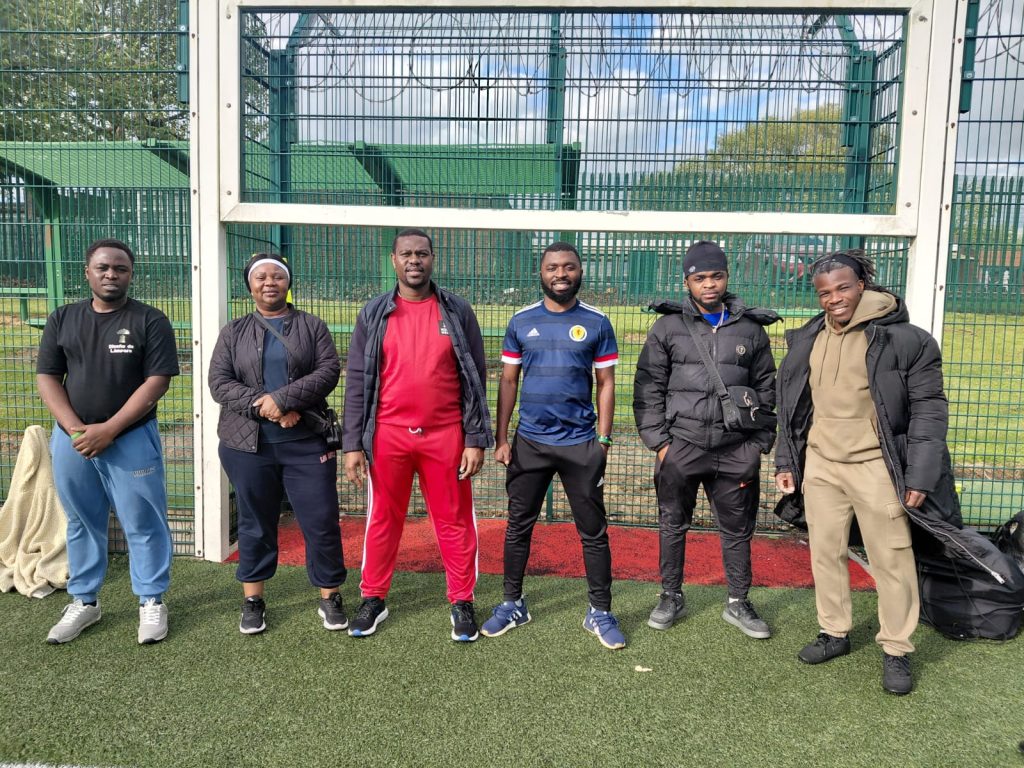
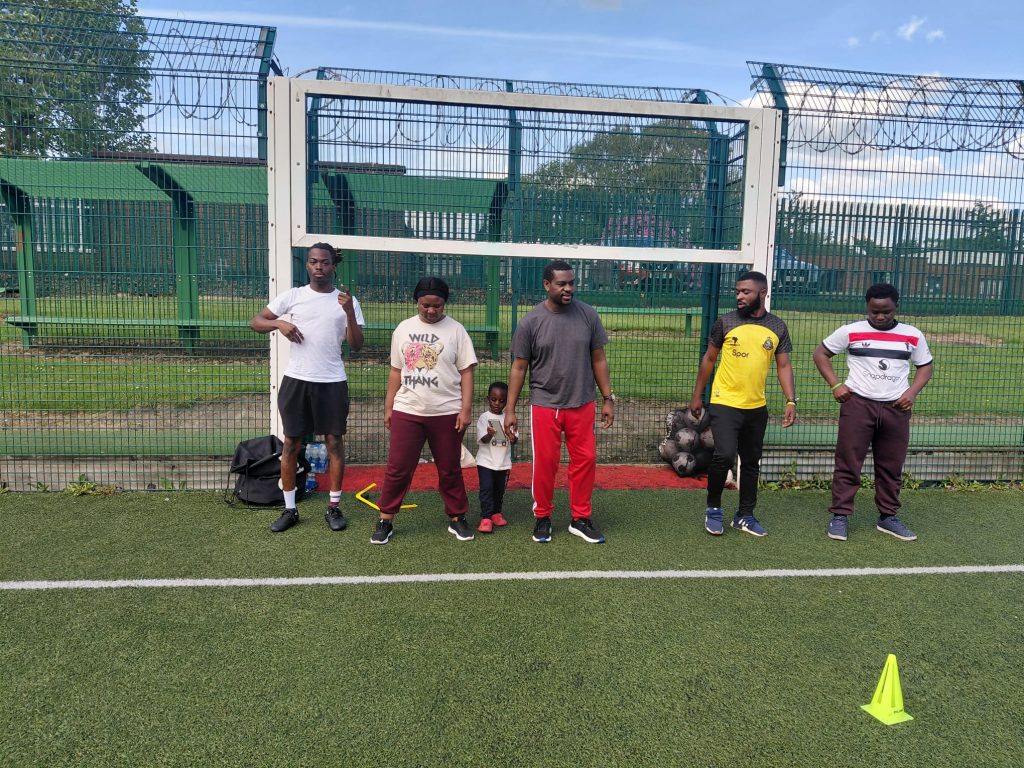
The Tameside Movement and Exercise Initiative is a community-based programme designed to reduce inequalities in sport and physical activity among immigrant, refugee, and asylum-seeking communities in Tameside, Denton, and Chadderton.
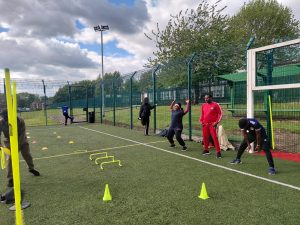
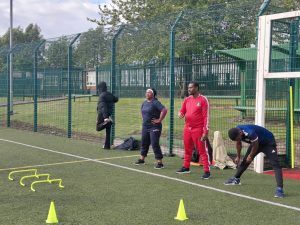
The project delivers inclusive, welcoming, and low-pressure activities including group walking sessions, movement and dance-based exercise, and facilitated discussions on the health and wellbeing benefits of staying active.
By removing cultural, social, and confidence-related barriers, the project helps people who are often underrepresented in physical activity to become more active, improve their wellbeing, and feel more connected to their local communities.
Why is the project important?
This project responds directly to the inequality in access to sport and physical activity faced by many immigrant, refugee, and asylum-seeking communities in the area.
Many individuals we work with want to be active but face barriers such as language difficulties, financial pressures, low confidence, cultural differences, and limited awareness of local opportunities. Others are experiencing isolation, stress, and the ongoing effects of displacement and resettlement.
Traditional sports and gym-based environments can feel unfamiliar or intimidating. As a result, these groups are often the least likely to participate in structured physical activity, despite being among those who could benefit the most.
This project uses informal, social, and culturally adaptable activities such as walking, movement, singing, and dance to create a more accessible entry point into physical activity. These approaches are low-cost, inclusive, and welcoming for people of all ages and abilities.
We have also identified a strong community need for safe spaces where people can connect socially while improving their health. Many participants have expressed that they would feel more comfortable engaging in activity within a group of people who share similar experiences.
The timing of this project is also important due to increased financial pressure from the cost-of-living crisis and ongoing social isolation affecting many households. Free, local, and supportive activities are therefore essential in addressing both physical inactivity and social wellbeing.
What do you want to achieve from delivering the project?
The main aim of the project is to increase physical activity levels among immigrant, refugee, and asylum-seeking communities in ways that are safe, enjoyable, and culturally inclusive.
We aim to:
- Reduce inequalities in access to sport and physical activity
- Improve physical and mental wellbeing
- Build confidence in participating in group activities
- Strengthen social connections and reduce isolation
- Encourage long-term, independent participation in physical activity
How will this project benefit participants?
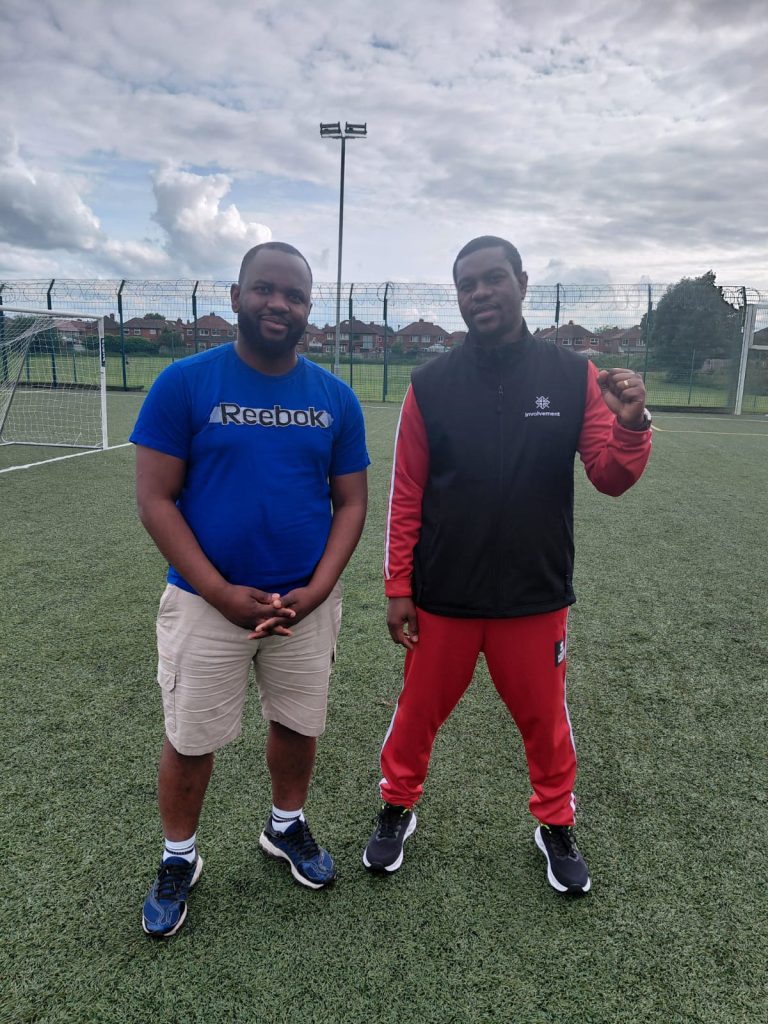
Participants will benefit in multiple ways, including improved physical health, better mental wellbeing, and increased social connection.
Through regular participation in group walks, movement, and dance sessions, individuals are likely to experience:
- Improved mood and reduced stress
- Reduced loneliness and social isolation
- Greater confidence in social and community settings
- Increased energy, mobility, and overall fitness
- A stronger sense of belonging within their local area
The informal and friendly nature of the sessions helps participants feel comfortable regardless of fitness level or previous experience. This makes physical activity feel more achievable and less intimidating.
What might participants feel or experience?
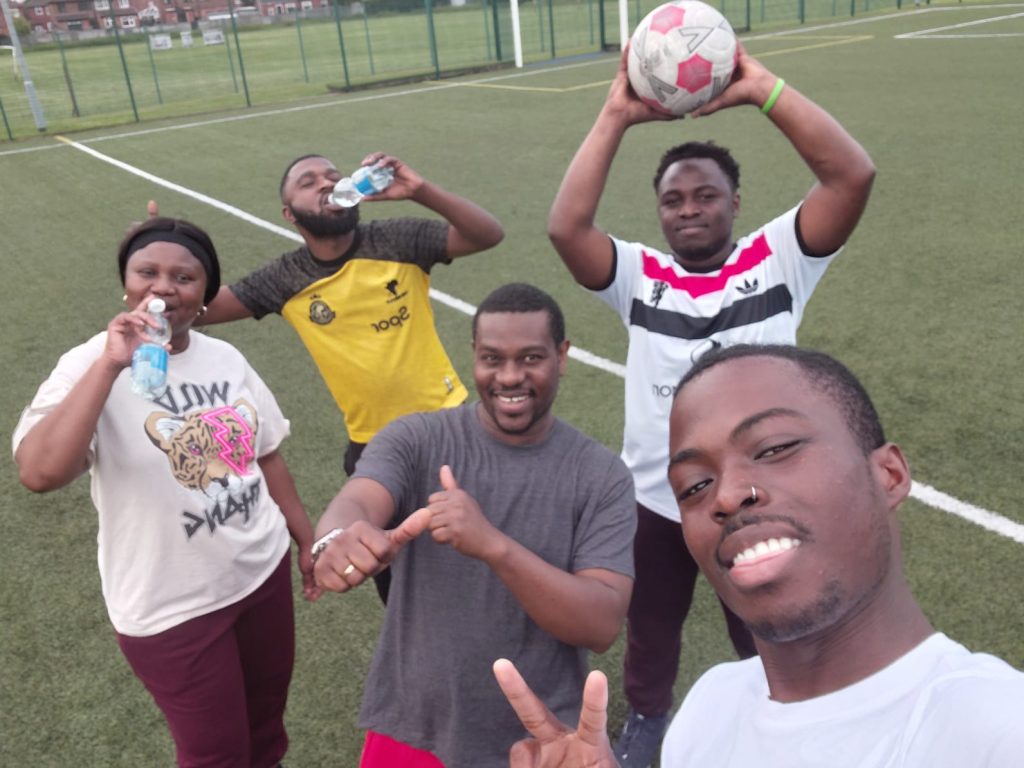
Participants are likely to experience a positive shift in how they view physical activity. Instead of seeing it as something formal or difficult to access, they will experience it as:
- Social and enjoyable
- Relaxed and pressure-free
- Culturally familiar and inclusive
- Supportive and welcoming
Many may also feel a renewed sense of confidence, especially those who have previously felt excluded from traditional sports or fitness environments. The group setting helps create joy, laughter, and emotional support, which are just as important as physical benefits.
After the project, how might participants continue to be active?
We aim to support long-term behaviour change by helping participants build confidence, knowledge, and habits around physical activity.
After the project, participants will be encouraged and supported to:
- Join local walking groups and community activities
- Use parks and outdoor spaces for regular walking
- Participate in low-cost or free community fitness sessions
- Continue informal group walks with peers
- Engage in simple home-based movement and stretching activities
We will also provide signposting to local opportunities and encourage participants to take leadership roles in continuing group activities independently.
How will the project be delivered?
The project will be delivered through a structured programme of weekly sessions across Tameside, Denton, and Chadderton.
Each week will include:
- Group walking sessions in local parks and safe outdoor spaces
- Movement and dance-based activities in community venues
- Facilitated discussions on health and wellbeing benefits of physical activity
Sessions will last approximately 3 to 4 hours, combining physical activity, social interaction, and guided discussion.
The programme will be led by a project coordinator responsible for planning, safeguarding, and partnerships. Trained facilitators and community volunteers will support delivery to ensure sessions are inclusive, safe, and welcoming.
Where possible, volunteers from within the community will be involved to build trust and encourage peer support.
How will you ensure the project is inclusive and accessible?
Inclusion is central to this project. Activities are designed to be:
- Low-impact and suitable for all fitness levels
- Free to attend, removing financial barriers
- Culturally sensitive and welcoming
- Accessible in familiar community spaces
- Flexible and adaptable based on participant feedback
We will also promote the project through trusted community networks, ensuring information is shared in accessible formats and languages where needed.
What long-term impact will the project have?
This project aims to create lasting change by embedding physical activity into everyday life for participants who have traditionally been excluded from sport and exercise opportunities.
Long-term outcomes include:
- Improved health and wellbeing across communities
- Stronger social networks and reduced isolation
- Increased confidence in accessing local services and activities
- Sustainable habits of regular movement and activity
- Greater community cohesion and belonging
By combining physical activity with social connection and health education, the project helps participants see movement not as a one-off activity, but as a normal and enjoyable part of daily life.